Empowering communities through sustainability — how a thrift store became a cornerstone of the region's slow-fashion movement.
4 min read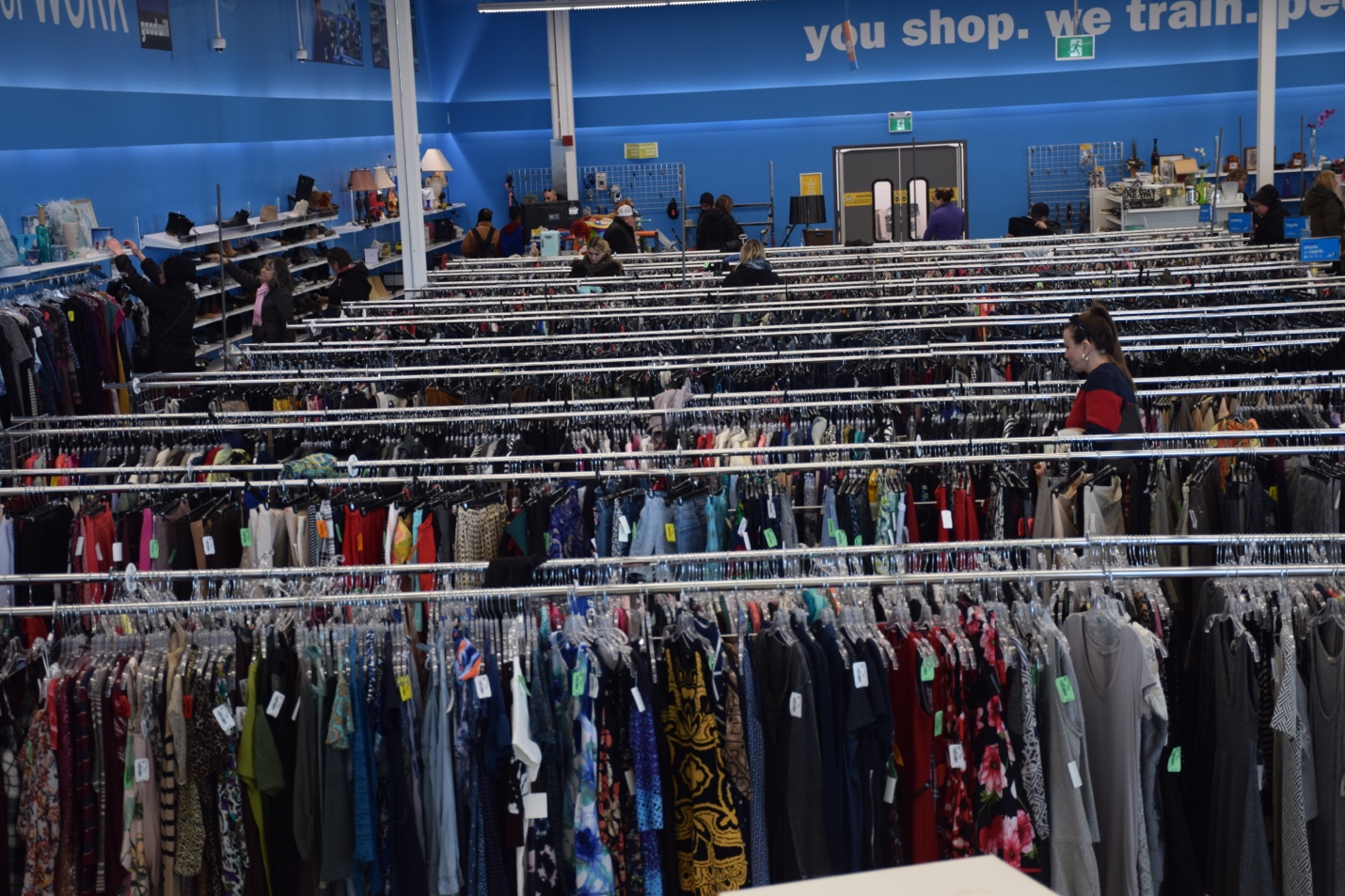
For decades, Goodwill in Waterloo has been more than just a thrift store. It has grown into a cornerstone of sustainability, community empowerment, and skill development, creating opportunities for individuals while promoting environmentally conscious living.
"We have a straightforward goal: to give things a second chance at life while giving people opportunities," stated Rainer Voigt, vice-president of Goodwill Waterloo. "Every gift has an impact; it's not only about cutting waste, but also about improving lives in our community."
Fast fashion's rise has raised worries about its effects on the environment, particularly pollution and textile waste. By urging locals to donate and shop second-hand, Goodwill Waterloo fights this trend. The group is instrumental in lowering the quantity of textiles that wind up in landfills by extending the lifecycle of clothes.

There are several second-hand shops in Kitchener, but Waterloo, which is close by, is a major hub for the slow fashion movement in the area, with Goodwill at the forefront. Waterloo's Goodwill, which is well-known for its wide selection and reasonable prices, draws a wide range of customers, from eco-conscious locals trying to choose sustainable fashion to students looking for affordable solutions.
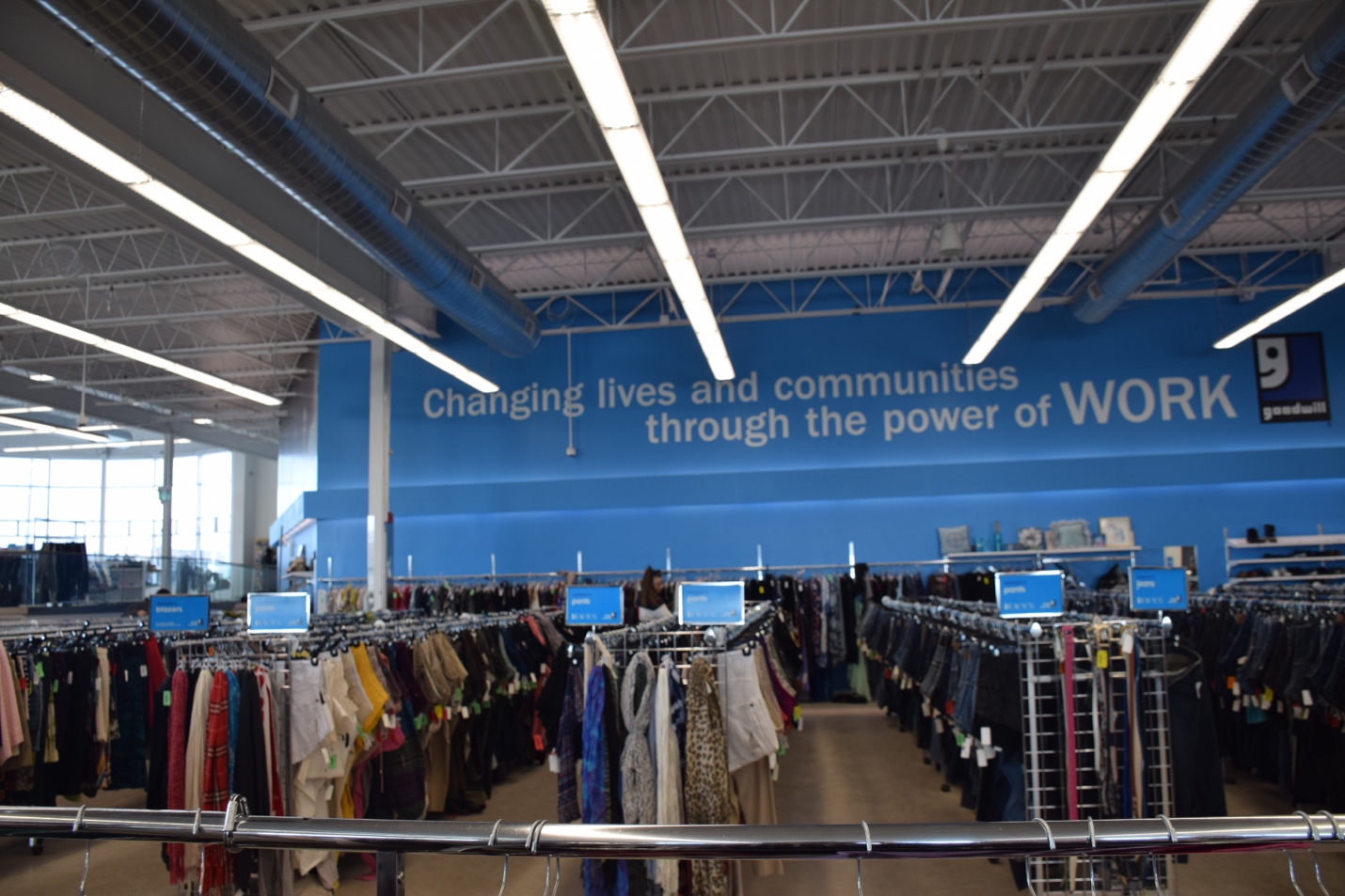
The goal of Goodwill goes beyond selling used goods. The company is dedicated to empowering the community by giving people opportunity through sustainability projects and job training programs. Its aisles, which are stocked with everything from vintage discoveries to everyday essentials, demonstrate a dedication to environmental responsibility and accessibility.
"At first, I thrifted just to save money," he said. "But over time, I realized it's also about reducing waste and making more mindful choices. Knowing that my purchases support job programs and keep clothes out of landfills makes the experience even more meaningful."
With a growing shift toward conscious consumerism, thrift stores like Goodwill have become more than just places to find hidden gems. They represent a movement toward fashion that is both stylish and responsible.
"Sustainability at Goodwill isn't just about reusing clothing and it's about reinvesting in people."— Rainer Voigt, Vice-President, Goodwill Waterloo

"Sustainability at Goodwill isn't just about reusing clothing and it's about reinvesting in people," Voigt says. "Every donation and every purchase directly support job training programs, providing individuals with skills and opportunities that can change their future. When you shop here, you're not just making an eco-friendly choice and you're making a social impact."
Voigt has seen firsthand how attitudes toward fashion are shifting. More shoppers are walking through Goodwill's doors with a sense of purpose, looking for alternatives to the wastefulness of fast fashion.
"We're seeing more people think critically about where their clothing comes from and where it ends up," he explains. "There's a growing understanding that fashion should be about quality and longevity, not just convenience and trends."
As Kitchener-Waterloo embraces slow fashion, Goodwill remains a cornerstone of this transformation. It's more than a thrift store and it's a place where conscious consumerism, affordability, and community empowerment come together, reshaping the way people think about fashion.